

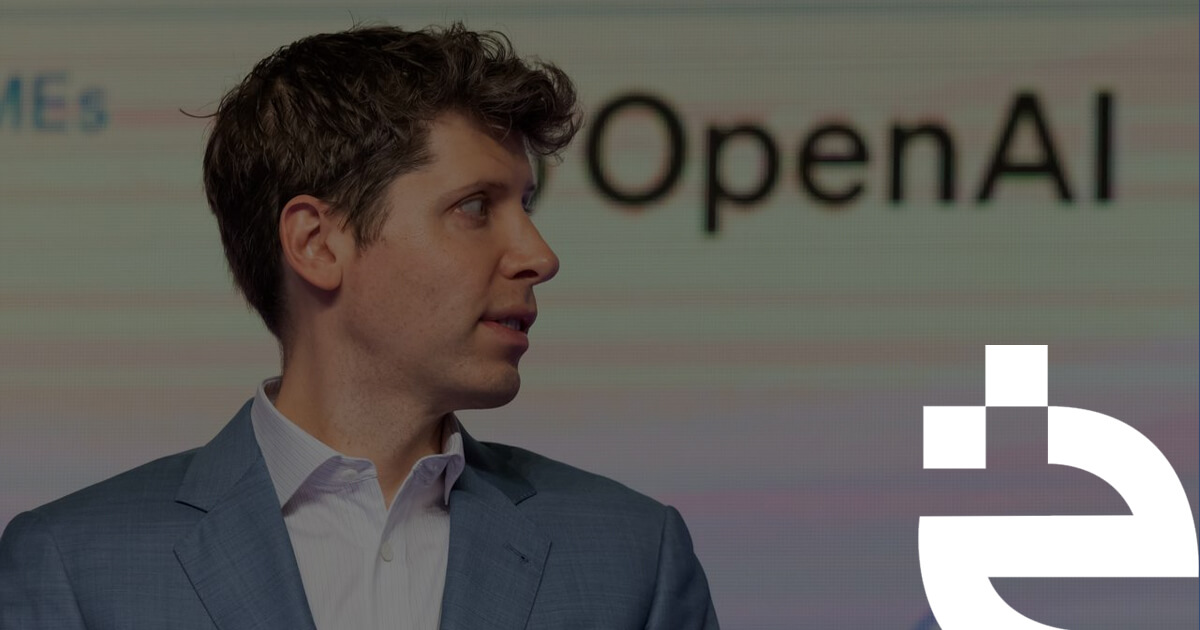
In the world of technology and innovation, few names stand out like Sam Altman’s. As the
CEO of OpenAI, Altman has emerged as a central figure in the field of artificial intelligence
(AI), responsible for steering one of the most advanced AI research organizations in the
world. From his entrepreneurial beginnings to his leadership at OpenAI, Altman’s journey is
one of continuous impact, driven by a vision that extends beyond mere profit. In this blog,
we’ll delve into the life, achievements, and philosophies of Sam Altman, and explore how
he is shaping the future of technology and society through his work in AI.
Early Life and Entrepreneurial Beginnings
Sam Altman was born in St. Louis, Missouri, in 1985. His passion for technology began at
an early age when he taught himself programming on an Apple computer. This early
interest laid the groundwork for a career that would eventually influence countless tech
startups and innovations. After high school, Altman attended Stanford University, where hestudied computer science before dropping out to focus on his entrepreneurial pursuits.
In 2005, he co-founded Loopt, a location-based social networking app, which was a
pioneering concept at the time. Although Loopt didn’t achieve the widespread success
Altman had hoped for, it provided him with valuable experience and connected him to
Silicon Valley’s network of entrepreneurs and investors. This foundational experience set
the stage for his later achievements in the world of startups and venture capital.
The Y Combinator Era: A New Wave of Innovation
Altman joined Y Combinator (YC) in 2011 as a partner and was later appointed as the
president in 2014. Under his leadership, YC grew into one of the most successful startup
incubators globally, funding companies like Airbnb, Dropbox, and Stripe. Altman’s time at
YC was marked by his belief in “founder-friendly” investing—putting power in the hands of
innovators and ensuring startups could thrive without excessive intervention.
His leadership at YC wasn’t just about business growth; it was also philosophical. Altman
believed that technology should drive positive change in the world, and this principle
informed his decisions at YC. He invested in startups that aligned with his vision of the
future, emphasizing ideas that would reshape industries and address global challenges.
His time at YC cemented his reputation as a visionary investor and mentor, helping to
nurture a new generation of tech innovators.
OpenAI and the Vision for Responsible AI
In 2019, Altman took on a new challenge by becoming the CEO of OpenAI, an AI research
organization co-founded with Elon Musk and other visionaries in 2015. OpenAI was
established with the goal of ensuring that artificial general intelligence (AGI) benefits all of
humanity. Altman’s appointment marked a shift in OpenAI’s approach from research
focused to product-oriented, seeking real-world applications of AI.
Under Altman’s leadership, OpenAI developed cutting-edge models like GPT-3 and
ChatGPT, which showcased the transformative potential of AI across industries. However,
Altman has remained vocal about the ethical responsibilities that come with AI
advancements. He advocates for a careful, balanced approach to AI development—one
that prioritizes human welfare and aims to avoid potential risks, such as economic
displacement and misuse.
Altman’s unique vision for OpenAI is rooted in transparency and safety. Unlike many tech
CEOs, he openly discusses the potential dangers of AI and supports regulatory oversight.
His 2023 testimonies before the U.S. Congress highlighted his commitment to ethical AI
practices, calling for regulations that would safeguard against the risks of advanced AI
while still fostering innovation.
Altman’s Philosophies on Technology and Society
Beyond OpenAI, Sam Altman is known for his thought-provoking views on technology’s
impact on society. He has often spoken about universal basic income (UBI) as a potential
solution to job displacement caused by automation and AI. Altman has argued that as AI
advances, society may need to rethink traditional economic structures to ensure that
people can thrive in a world where work might look drastically different.
His commitment to creating a fairer society is also reflected in OpenAI’s structure. OpenAI
transitioned from a nonprofit to a “capped-profit” model to attract investment while
maintaining a commitment to its mission of benefiting humanity. This approach highlights
Altman’s belief in responsible capitalism, where profit is balanced with societal impact.
Paving the Future with OpenAI
As CEO of OpenAI, Altman continues to lead the charge toward a future where AI can serve
as a force for good. Projects like ChatGPT and DALL-E demonstrate OpenAI’s capabilities,
but Altman remains clear-eyed about the potential challenges ahead. He has expressed
the importance of collaborative efforts across governments, companies, and the public to
ensure that AI aligns with human values.
Under Altman’s leadership, OpenAI has established itself as a leader in AI safety research,
advocating for safety protocols, alignment research, and international cooperation.
Altman’s proactive approach to regulation and ethics makes him a unique figure in tech—a
leader willing to question and adapt for the greater good.
Conclusion
Sam Altman’s journey from a young entrepreneur to the CEO of OpenAI is a testament to
his enduring vision for a technology-driven future that benefits humanity. Through his work
with OpenAI, he is helping to shape a new era of AI, one that emphasizes ethics, safety,
and global cooperation. Altman’s leadership has made OpenAI a powerhouse in the AI
world, pushing boundaries while remaining mindful of the societal impacts.
As we look to the future, Altman’s influence will likely continue to grow, not only as a
leader in AI but as a thought leader shaping discussions on technology, ethics, and the role
of AI in our lives. In a world where AI’s potential and risks are ever-growing, Sam Altman’s
vision offers a hopeful path forward, ensuring that technology remains a tool for progress
and human advancement.

