

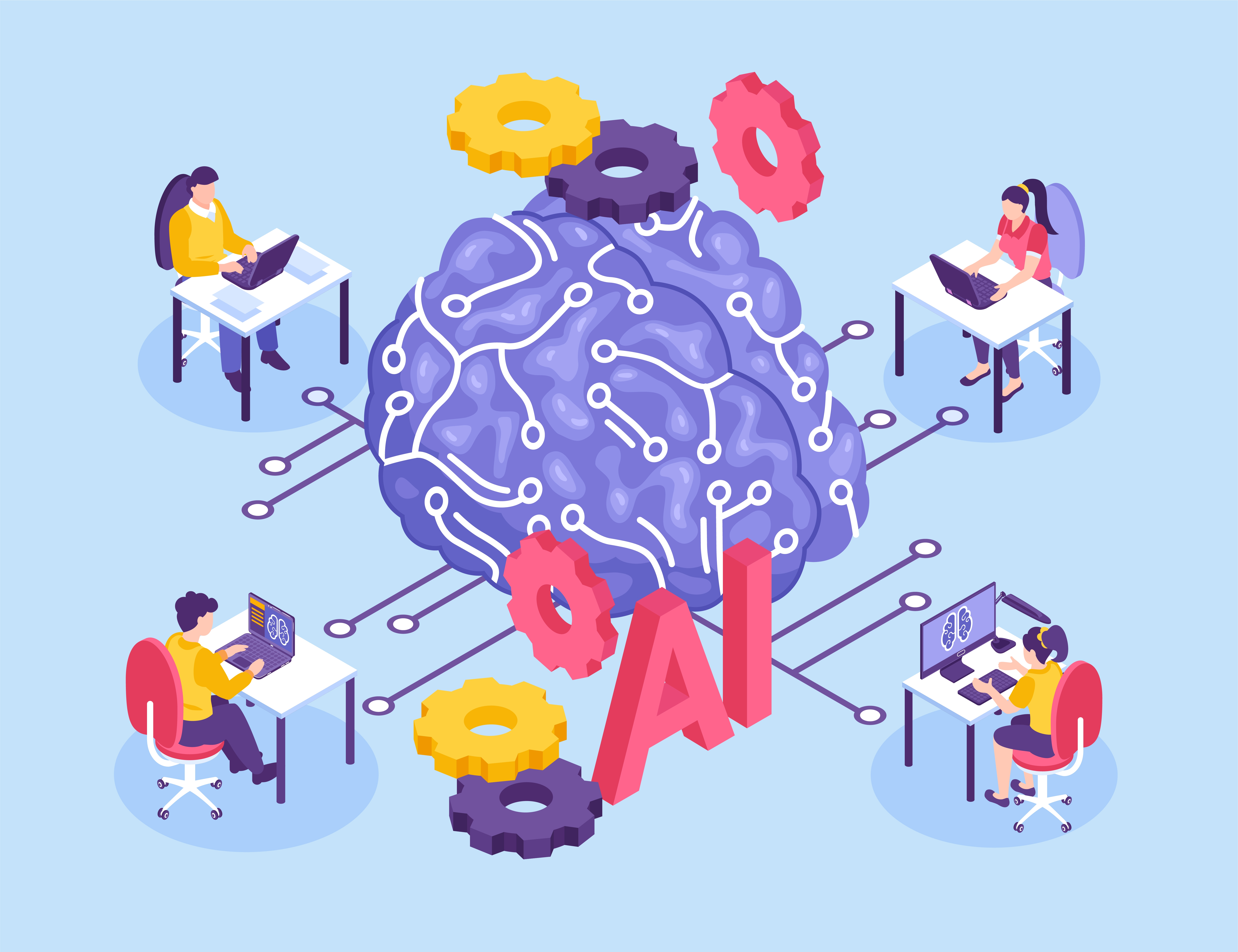
The rapid acceleration of artificial intelligence (AI) adoption is fundamentally transforming the software development ecosystem. As AI capabilities continue to evolve, they are becoming deeply embedded in the software development lifecycle (SDLC), enabling teams to reimagine how applications are designed, built, and maintained.
According to the latest GitLab DevSecOps survey, 78% of global respondents either currently use AI in their development processes or plan to do so within the next two years—a substantial jump from 64% in 2023. While organizations are already seeing improvements in efficiency and productivity, the most profound impacts are still on the horizon.
In this article, we explore three major ways AI is reshaping software development, and what that means for the future of developers, applications, and organizations.
Adaptive, Intelligent AI Agents Will Redefine Applications
The very structure of software applications is undergoing a paradigm shift. Traditional software models, often constrained by rigid interfaces and limited adaptability, are giving way to AI-powered applications that are more responsive, interactive, and personalized.
At the heart of this shift are intelligent AI agents that operate using natural language interfaces. These agents will serve as dynamic intermediaries—capable of learning from user behavior, guiding decision-making, and performing complex tasks autonomously.
This evolution marks the beginning of a new application era where human-computer interaction becomes more conversational and intuitive, offering seamless user experiences across devices and platforms.
AI Assistants Will Become Proactive Development Partners
Today’s AI tools often function reactively—responding to prompts or questions. But the next wave of AI assistants will become proactive collaborators throughout the development process.
These smart agents will:
-
Predict developers’ intentions
-
Offer real-time insights on performance and security
-
Automate repetitive coding tasks
-
Suggest optimisations during development
This shift will streamline the SDLC, making development faster, more efficient, and more accessible, even to those with limited technical expertise.
Importantly, the role of developers will evolve. Rather than being replaced, developers will be augmented by AI. They’ll focus on strategic thinking, creative problem-solving, and delivering business value, while AI handles routine tasks and maintains best practices. This partnership promises a dramatic increase in developer productivity and opens new doors to innovation.
Customised, On-Premise AI Models Will Become the Norm
As AI becomes more deeply integrated into enterprise solutions, organisations are moving away from cloud-only models. The trend is shifting toward on-premise, customised AI deployments that are:
-
More cost-effective
-
Faster to deploy
-
Tailored to specific business needs
With the rise of open-source AI models, companies can now fine-tune and deploy AI in their own data centers—without the overhead or latency of third-party platforms.
This approach is especially critical for highly regulated industries such as finance, healthcare, and government. By running AI in physically isolated environments, these organisations can ensure greater data security, compliance, and latency control.
The AI-Powered Future of Software Development
AI is not just a tool—it’s becoming a core pillar of modern software development. From coding and testing to deployment and maintenance, AI is helping teams work smarter, build faster, and adapt to changing customer needs.
But to truly unlock AI’s potential, organisations must:
-
Invest in skilled talent
-
Build robust infrastructure
-
Embrace a culture of continuous learning and adaptation
Those who act now and invest in AI-driven development practices will be positioned to lead in a highly competitive digital landscape.
Conclusion
AI is no longer an emerging trend—it is a defining force shaping the future of software. As organisations integrate AI deeper into their SDLC, they’ll gain a decisive edge in speed, quality, and innovation.
The question isn’t if AI will change software development—it’s how quickly you’ll adapt to it.

